
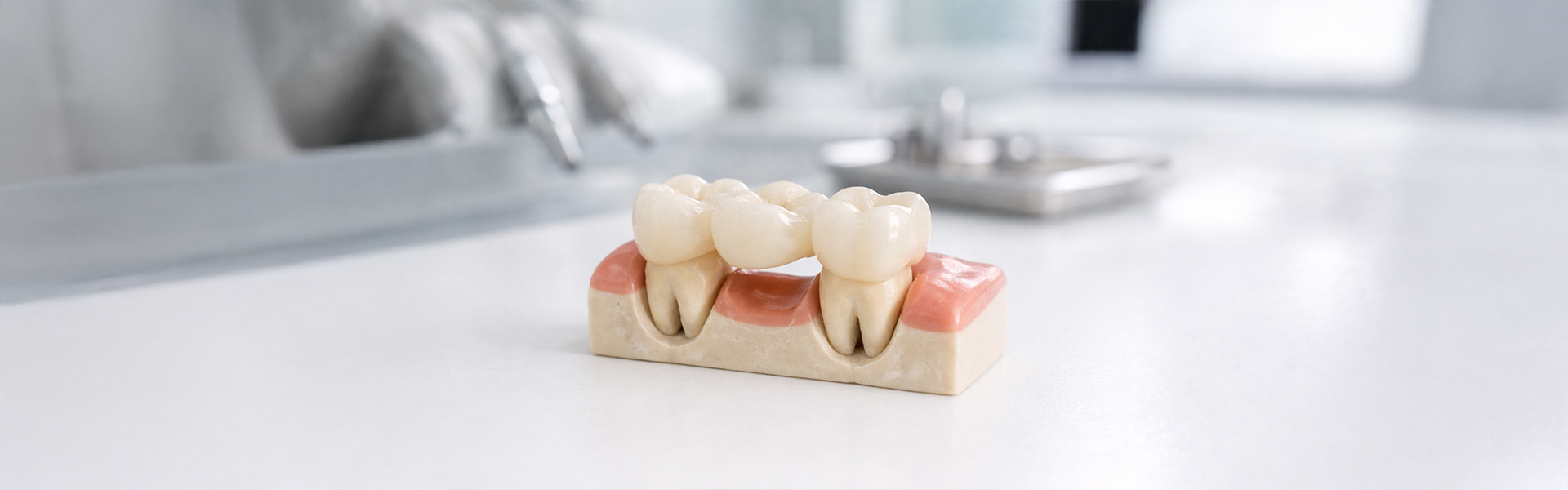
How Modern Dental Bridges Look Natural and Feel Comfortable
Missing teeth can affect more than appearance. They may influence chewing, speech clarity, and overall bite balance. Fortunately, advancements in restorative dentistry have made modern bridges more refined than ever before. Patients exploring dental bridges in Ridgefield Park, NJ often want to know whether today’s options truly look natural and feel secure. The answer lies in improved materials, digital precision, and thoughtful design.
Modern dental bridges are crafted to blend naturally with surrounding teeth while restoring chewing function and bite balance.
What Makes Modern Dental Bridges More Aesthetic
One of the most noticeable improvements in dental bridges over the years is the realism of the materials used. Earlier restorations often relied on metal frameworks that could occasionally show at the gumline. Today, high-quality ceramic and porcelain materials closely mimic the translucency and shade variations of enamel.
Shade matching techniques have also become more precise. Dentists use digital imaging and shade guides to ensure that the restoration blends smoothly with adjacent teeth. This level of precision minimizes noticeable differences and promotes a more cohesive appearance.
Additionally, modern bridge design considers gum contour and tooth shape. By carefully shaping the artificial tooth, clinicians replicate the curvature and anatomy of surrounding teeth. This approach prevents the bridge from appearing bulky or artificial.
Patients searching for a dentist near me frequently prioritize aesthetics along with function. Choosing a provider who prioritizes both aesthetics and structural integrity can meaningfully influence the overall result.
Precision Through Digital Technology
Digital impressions have replaced traditional molds in many cases. Instead of using impression trays filled with material, scanners capture detailed images of the prepared teeth. These digital models allow laboratories to craft restorations with greater accuracy.
Accurate measurements help the bridge fit securely against supporting teeth without creating gaps or pressure areas. A properly fitted bridge contributes not only to appearance but also to sustained ease during daily function.
For individuals seeking care from a dentist in Ridgefield Park, NJ, digital planning helps create restorations that align properly with the bite and reduce uneven pressure during chewing.
Comfort Features of Today’s Dental Bridges
Comfort is just as important as appearance. A properly designed dental bridge distributes chewing forces evenly across supporting teeth. This balanced pressure reduces strain and minimizes discomfort.
Modern materials are lightweight yet durable, allowing patients to chew confidently without feeling excessive bulk. Smooth, polished surfaces also reduce irritation to the tongue and cheeks.
Some patients experience dental anxiety during restorative procedures. For individuals concerned about discomfort during preparation, options such as sedation dentistry near me may be discussed to improve procedural tolerance. Sedation approaches vary and are tailored to individual needs and health considerations.
After placement, most patients adapt quickly to their new restoration. Minor sensitivity may occur initially, but it typically resolves as the mouth adjusts.
Stability and Function
A carefully designed bridge restores tooth positioning by replacing the space left by a missing tooth. When a tooth is lost, adjacent teeth may begin to shift. A bridge helps maintain spacing and supports bite harmony.
By restoring chewing surfaces, bridges also improve the ability to break down food efficiently. This functional benefit contributes to overall oral health and digestive comfort.
At a trusted dental office, clinicians evaluate bite alignment carefully before final cementation. Adjustments ensure that the restoration feels balanced when biting down.
How to Maintain a Natural Look and Comfort
Maintaining a bridge involves consistent oral hygiene and routine professional care. Although the artificial tooth cannot develop decay, the supporting teeth remain vulnerable to plaque buildup.
Daily care recommendations include:
- Brushing twice daily with fluoride toothpaste
- Flossing carefully around the bridge
- Using floss threaders or interdental brushes in order to clean beneath the pontic
- Attending regular dental examinations
Cleaning beneath the bridge helps prevent gum inflammation and reduces bacterial accumulation around supporting teeth. If plaque accumulates, irritation may develop around the gums.
Routine professional cleanings allow early detection of potential issues. Dentists examine the bridge for signs of wear, evaluate gum health, and ensure that the cement seal remains intact.
Longevity of Modern Bridges
With proper care, dental bridges can last many years. Longevity depends on multiple factors such as oral hygiene habits, bite alignment, and overall health. Avoiding habits, for example, chewing ice or using teeth to open packaging helps preserve structural integrity.
If wear or damage occurs, timely evaluation reduces the risk of further complications. Small adjustments or repairs can often extend the life of the restoration.
A Balanced Approach to Restoration
Modern dental bridges combine advanced materials with precise craftsmanship. They are designed not only to replace missing teeth but also to preserve natural aesthetics and functional stability.
At VillageDental, restorative planning focuses on both appearance and bite integrity. Careful assessment of tooth structure, gum health, and alignment ensures that each bridge complements the surrounding smile while supporting daily activities.
Final Thoughts
Today’s dental bridges are far more refined than earlier versions. Through improved materials, digital accuracy, and thoughtful contouring, they can closely resemble natural teeth while providing dependable performance.
For individuals considering tooth replacement options, understanding how modern bridges are designed helps set realistic expectations. With consistent maintenance and professional evaluation, they can remain functional and aesthetically integrated for many years.
If you are exploring restorative options, scheduling a consultation allows a personalized evaluation and guidance based on your specific dental needs.