How to Care for Your Veneers: Daily Habits for Lasting Results
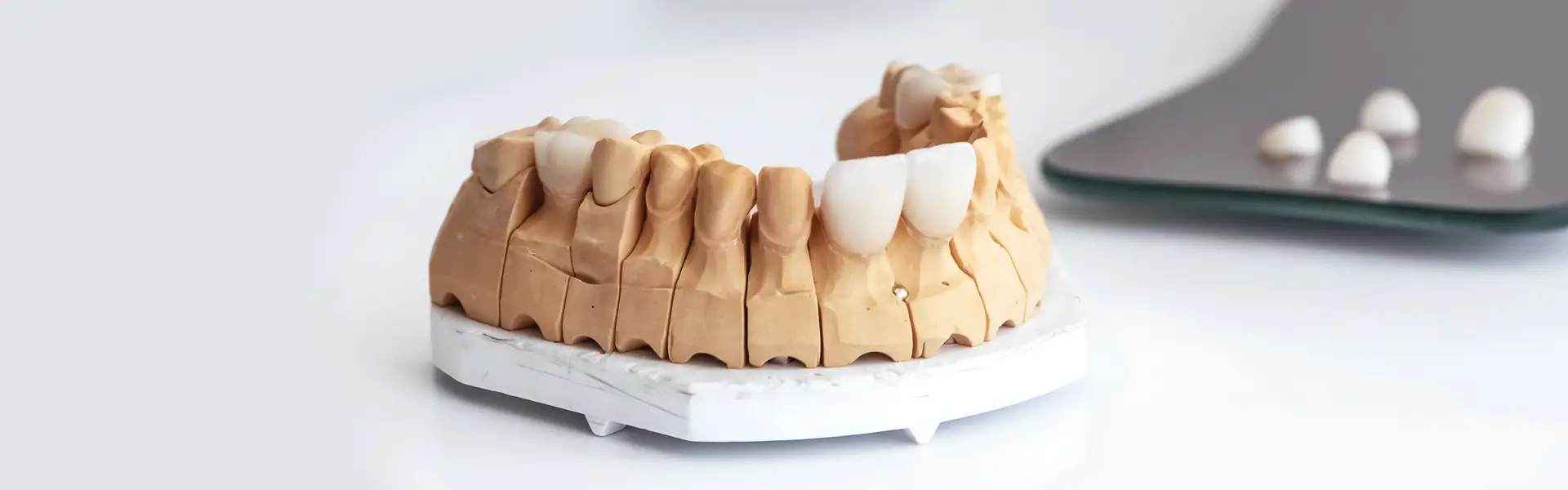
Dental veneers are thin restorations placed on the front surfaces of teeth to correct visible shape or color concerns. They are commonly used when natural enamel cannot be restored through routine cleaning alone. Although veneers are designed to be durable, they require consistent care to remain stable over time. Many people searching for a dentist near me are unaware that everyday oral hygiene habits directly affect veneer longevity.
Daily oral care influences veneer durability and how well restorations continue to blend with surrounding teeth. Because veneers depend on stable tooth structure and healthy gum tissue for long-term support, neglecting routine care can increase the risk of edge wear or bonding complications. Understanding how veneers function helps patients make informed decisions about daily maintenance.
How to Brush Veneers the Right Way
Veneers need the same daily brushing as natural teeth, but the brushing technique is important. While veneers themselves do not decay, the natural teeth beneath them remain vulnerable to plaque-related damage. Buildup along the veneer margins may contribute to gum inflammation or decay if not managed consistently.
Dentists typically recommend soft-bristled toothbrushes to reduce stress on veneer margins and surrounding gum tissue. Brushing should be done twice daily using gentle pressure and controlled circular motions. Aggressive scrubbing may gradually weaken the interface between the veneer and the natural tooth.
Non-abrasive toothpaste is preferred. Many whitening formulations contain particles that may dull veneer surfaces over time. Fluoride toothpaste remains important because it supports the underlying tooth structure.
Electric toothbrushes can be used safely on a low-pressure setting. Holding the brush at a slight angle toward the gumline allows effective plaque removal without unnecessary force.
Tips to Prevent Staining Over Time
Porcelain veneers resist most stains better than natural enamel, but some discoloration may still occur over time. Discoloration may still occur along the edges where veneers meet natural teeth, particularly when staining agents are used frequently.
Steps that may help limit staining include:
- Rinsing with water after consuming coffee, tea, or red wine
- Reducing prolonged exposure to dark-colored beverages
- Avoiding tobacco products, which contribute to surface discoloration
- Maintaining regular professional cleanings
Using a straw for cold drinks can reduce contact with the veneer surfaces. Maintaining even color between veneers and natural teeth is important for visual consistency. Patients considering dental veneers in Ridgefield Park, NJ often ask about long-term appearance, and consistent hygiene plays a key role.
How Nail Biting and Chewing Ice Can Damage Veneers
Although veneers tolerate normal chewing forces, repeated or excessive pressure increases fracture risk. Certain habits place concentrated stress on veneer edges, which may compromise their structural integrity over time.
Nail biting applies repeated force to the same areas of the teeth. This stress can contribute to small fractures or weakening of the bonding material. Chewing ice presents a similar risk. Ice is harder than porcelain and may chip or crack veneers even with brief pressure.
Other habits that may increase veneer stress include:
- Using teeth to open packaging
- Chewing on pens or similar objects
- Clenching or grinding teeth
Many adults treated by a dentist in Ridgefield Park, NJ, are unaware that nighttime grinding places additional strain on dental restorations. In some cases, a dentist may evaluate whether protective measures are appropriate.
Why Regular Checkups Help Veneers Last Longer
Routine dental visits support both veneer stability and overall oral health. During exams, dentists assess veneer margins, bonding condition, and gum health to identify early changes that may affect performance.
Professional cleanings remove plaque and hardened deposits from areas that daily brushing may not reach. Healthy gum tissue is essential for maintaining stable veneer edges.
Dental exams also allow dentists to identify bite-related issues that may place uneven pressure on veneers. Even minor alignment changes can influence how forces are distributed during chewing. Ongoing evaluation by a dentist in 07660 supports early intervention and long-term maintenance.
Final Thoughts
Long-term veneer performance depends on daily care and ongoing dental assessment. When questions arise about veneer wear, alignment, or bite changes, patients may choose to seek guidance from a cosmetic dentist in Ridgefield Park as part of a routine dental evaluation.
For patients with veneers, the dental team at VillageDental emphasizes preventive evaluation and long-term oral health monitoring as part of routine care.